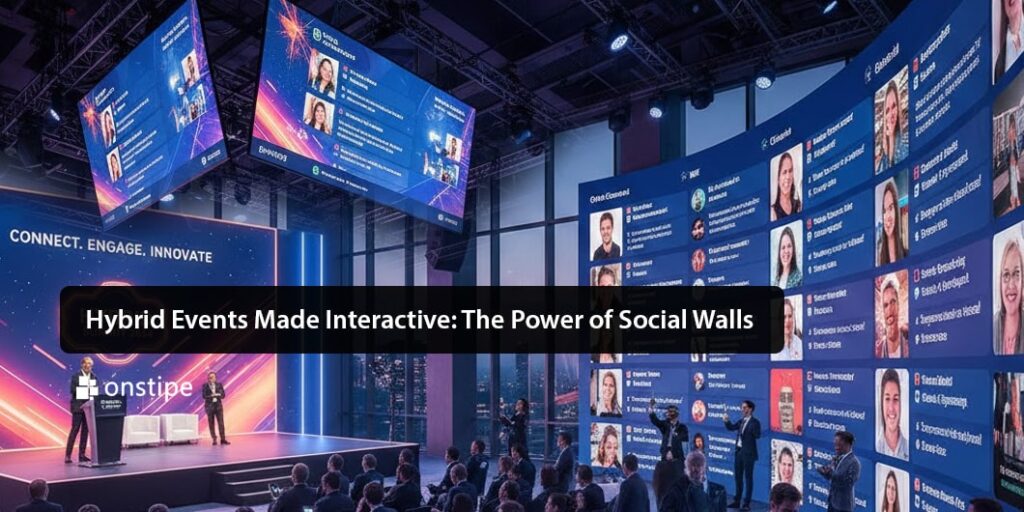
Hybrid events have evolved from a pandemic workaround into a powerful, future-proof format that blends the best of in-person and virtual experiences. However, one challenge still plagues event organizers: how do you engage two separate audiences—physical and remote—at the same time?
The answer lies in a dynamic, increasingly popular tool: social walls. These real-time digital displays of user-generated content (UGC) bridge the gap between online and offline audiences, making hybrid events more interactive, inclusive, and impactful.
In a world where attention spans are shrinking and expectations are rising, social walls offer a scalable, immersive, and measurable way to energize participants and amplify event content. This article explores how social walls transform hybrid events, why they matter, and how you can use them strategically to elevate your next gathering.
What Is a Social Wall?
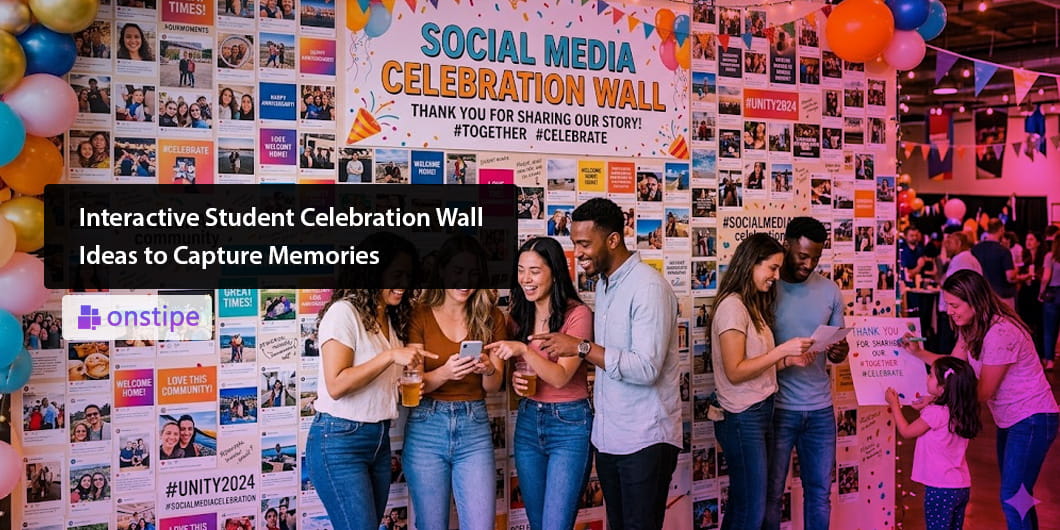
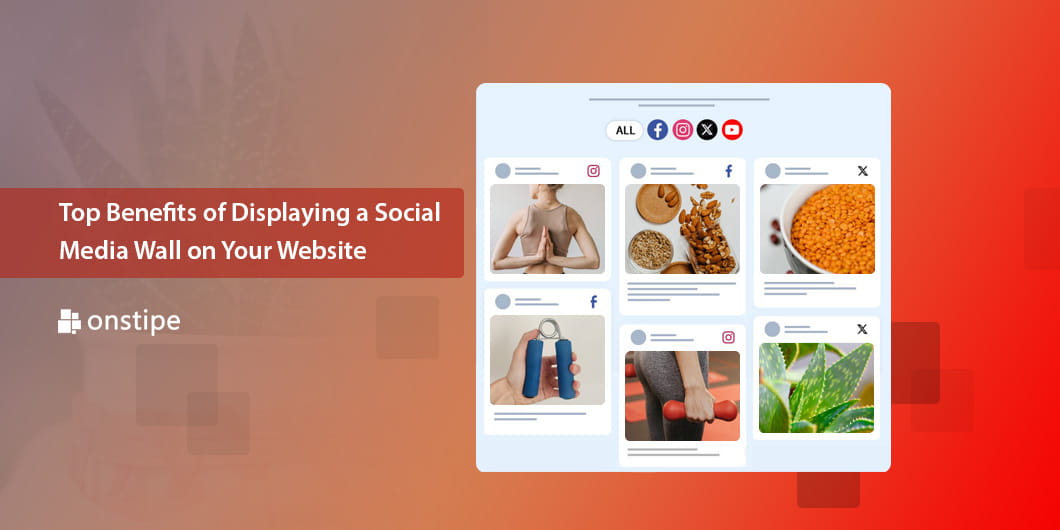
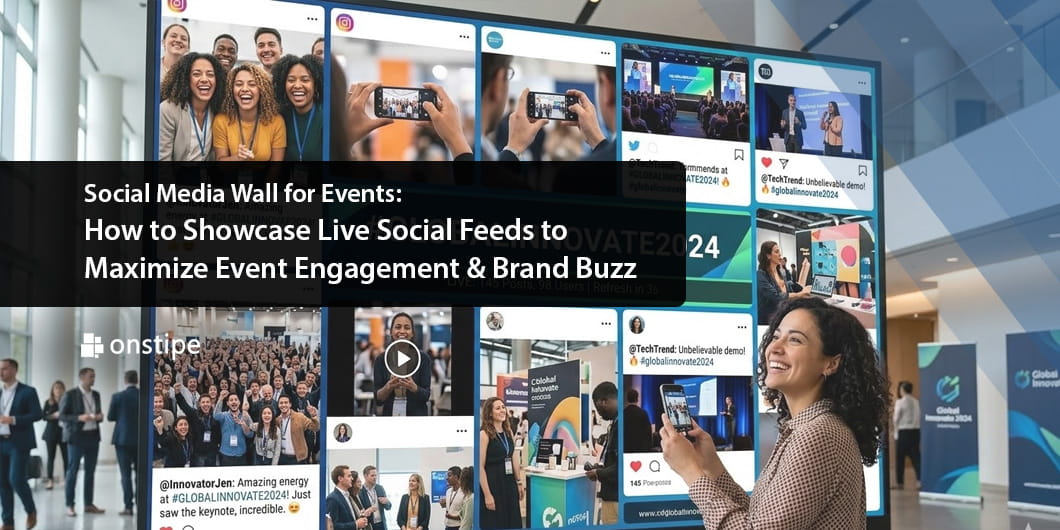
A social wall is a curated visual display of posts pulled from social media platforms (Instagram, X, Facebook, YouTube, etc.) based on event-specific hashtags, mentions, or keywords. Many platforms also allow direct uploads, ensuring even non-social-media users can participate.
These displays can be shown:
- On LED screens and projectors for in-person attendees
- Inside event apps, web portals, or live streams for virtual participants
- Across digital signage, networking lounges, or virtual event lobbies
The result: a shared, hybrid-friendly engagement engine that connects audiences from anywhere.
Why Social Walls Are Essential for Hybrid Events
1. They Create a Unified Experience for Both Audiences
Hybrid events often suffer from a fractured flow: in-person attendees interact physically, while virtual attendees interact digitally. A social wall dissolves this divide.
When remote and on-site participants post photos, comments, and reactions using the event hashtag, they appear together on the same social wall. This creates a single connected community, regardless of geography.
Attendees who are miles apart suddenly share the same stage.
2. They Encourage Participation Through UGC
User-generated content is one of the strongest engagement drivers. Social walls fuel this by giving attendees something they naturally want: recognition.
Seeing their posts displayed publicly—whether on a large event screen or inside the virtual platform—motivates more people to join the conversation.
UGC increases participation rates dramatically because:
- People love seeing themselves featured
- The social wall creates FOMO for those not yet posting
- It sparks ongoing interaction throughout the event
This is especially valuable in hybrid environments where virtual attendees can feel detached.
3. They Boost Engagement on Social Media (Before, During & After)
Hybrid events thrive on social reach. Social walls make this easier and more fun by encouraging consistent posting.
Their influence spans the entire event cycle:
Before the event:
- Build excitement via hashtag challenges
- Trigger early engagement with contests
- Allow speakers to promote their upcoming sessions
During the event:
- Photos, quotes, and behind-the-scenes content pour in
- Attendees engage actively with speakers and each other
- Sponsors enjoy recurring visibility through branded content
After the event:
- Recap reels and social wall highlights extend momentum
- UGC provides organic promotional content for next year
- Virtual attendees stay connected even after logging off
This social ripple effect dramatically amplifies event visibility.
4. They Make Remote Attendees Feel Equally Included
Hybrid events often risk favoring the in-person crowd. Remote audiences frequently report feeling like secondary participants.
Social walls solve this by giving virtual attendees:
- The same interactive opportunities
- Equal visibility
- The ability to share reactions in real time
- Presence on the big screens and in event spaces
- Recognition alongside in-person guests
This lifts the perceived value of virtual attendance and increases satisfaction rates.
5. They Offer Monetizable Sponsorship Opportunities
Sponsors love visibility—and social walls deliver it effortlessly.
Organizers can integrate sponsors into the wall through:
- Branded frames around posts
- Sponsored hashtags
- Dedicated sponsor slides
- Logo placements between UGC updates
- Sponsored contests (“Best Post Sponsored by…”)
- QR codes linking to sponsor pages
These features allow hybrid events to create premium sponsorship packages that are more interactive and measurable than traditional signage.
6. They Provide Clear Analytics to Measure Engagement
Unlike many event engagement tools, social walls produce quantifiable insights, including:
- Number of posts generated
- Hashtag reach and impressions
- Sentiment analysis
- Top contributors
- Platform-specific engagement (X, Instagram, etc.)
- On-screen display frequency
- Virtual vs. in-person engagement breakdown
These analytics help organizers understand both audience segments and improve future hybrid strategies.
How Social Walls Transform Specific Elements of Hybrid Events
1. Keynote Sessions
During keynotes, social walls can display:
- Audience reactions
- Live quotes from speakers
- Questions sourced from both physical and virtual participants
- Session highlights
This brings an element of co-creation to the keynote experience.
2. Breakout Rooms
In hybrid events, breakout rooms can feel disjointed. Social walls help unify them by displaying:
- Session-specific hashtags
- Insights from multiple rooms
- Poll results or discussion highlights
Participants feel more connected to the broader event narrative.
3. Networking Experiences
Social walls add energy to networking zones by showcasing:
- Photos of attendees
- Meet-up requests
- Comments and ice-breaker prompts
- Activity challenges sponsored by partners
Virtual attendees can join these conversations easily, expanding networking possibilities beyond physical limits.
4. Booths & Exhibition Areas
Social walls drive traffic to exhibitor booths with:
- Hashtag contests (“Visit booth #12 and post a selfie!”)
- QR-code-driven scavenger hunts
- Brand-focused templates and photo frames
Exhibitors gain visibility, and attendees enjoy interactive missions.
5. Virtual Platforms & Mobile Apps
For remote attendees, social walls can be embedded directly into:
- Event apps
- Livestream pages
- Virtual lobbies
- Session dashboards
This ensures every participant has access to the same dynamic feed.
Creative Ideas to Maximize Interactivity Using Social Walls
1. Hybrid Photo Contests
Encourage both audiences with challenges such as:
- Best Event Selfie
- Most Creative Workspace Setup (for virtual attendees)
- Funniest Caption Contest
- Behind-the-Scenes Moment
These contests fill the social wall with entertaining content.
2. Branded AR Filters or Frames
Provide augmented-reality effects that attendees can use to post content. Sponsors love this, and participants enjoy playful, sharable visuals.
3. Real-Time Polls and Q&A
Show poll results on the social wall in real time. Feature selected questions on screen with participant names.
Both audiences get a voice, making sessions feel more interactive.
4. Mosaic Walls
Transform individual UGC posts into a large mosaic that forms:
- The event logo
- A sponsor’s shape
- A themed graphic
This visual effect is especially striking for hybrid audiences.
5. “Fan of the Hour” Spotlights
Feature standout posts selected every hour. It sparks excitement and boosts participation.
Best Practices for Using Social Walls in Hybrid Events
1. Promote the Event Hashtag Early and Constantly
Use consistent messaging on:
- Event registration pages
- Pre-event emails
- Digital tickets
- Opening slides
- Stage screens
- Virtual interfaces
The clearer the hashtag, the more UGC you generate.
2. Curate & Moderate Content Carefully
Use real-time moderation tools to filter:
- Spam
- Off-topic content
- Inappropriate language
- Duplicate posts
This ensures a safe and professional display.
3. Balance UGC with Sponsored and Event Content
An ideal rotation includes:
- 70% UGC
- 20% Sponsor content
- 10% Event announcements
This keeps the feed dynamic yet informative.
4. Optimize Display Placement
Place in-person screens in:
- Lobby areas
- Session halls
- Lounge zones
- Walkways
Embed virtual displays in:
- Live stream windows
- Sidebars
- Home dashboards
- Networking spaces
This ensures maximum visibility.
5. Think Beyond the Event
Leverage social wall content after the event:
- Create highlight reels
- Build recap blog posts
- Showcase top posts on social media
- Design follow-up email content
This extends the life—and ROI—of your hybrid event.
Why Social Walls Are the Future of Hybrid Engagement
As hybrid events continue to rise in popularity, audience expectations are evolving. People want experiences that are immersive, social, connected, and interactive—regardless of whether they attend in person or online.
Social walls deliver all of this by:
- Merging digital and physical interaction
- Encouraging continuous engagement
- Empowering attendees to co-create content
- Increasing sponsor value
- Providing measurable insights
- Strengthening community across distances
They’re not just a feature—they’re an engagement engine that enhances the entire hybrid experience.
Final Thoughts
Hybrid events demand tools that unify audiences and elevate experiences. Social walls accomplish this by transforming attendees into active participants, bridging remote and in-person interactions, and generating a vibrant stream of real-time content.
From increasing engagement and boosting social reach to enhancing sponsorships and providing actionable analytics, social walls have become a must-have in the modern hybrid event toolkit.
Whether you’re planning a corporate summit, trade show, music festival, or global hybrid conference, integrating a social wall can dramatically elevate interactivity and create a sense of shared community that lasts far beyond the event itself.