In today’s digital marketplace, customers are more informed and selective than ever before. Before purchasing a product, booking a service, or attending an event, people often look for reviews, customer experiences, and recommendations. This behavior reflects a powerful psychological principle known as social proof.
Social proof plays a critical role in shaping consumer decisions because people naturally trust the opinions and actions of others. When potential customers see others using, recommending, or discussing a product or brand, they feel more confident in making their own decisions.
One of the most effective ways for businesses to leverage social proof is by using social media walls. These tools collect and display real posts, reviews, and conversations from social platforms in a unified feed. By showcasing authentic user experiences, brands can build credibility, strengthen trust, and ultimately increase conversions.
In this article, we will explore what social proof is, how social media walls help build brand credibility, examples from eCommerce and events, how platforms like Onstipe make it easy to display social proof, and the impact this strategy has on conversions and brand trust.
What Is Social Proof?
Social proof is a psychological concept where people rely on the actions and opinions of others to guide their own decisions. When individuals are uncertain about a choice, they often look at what others are doing to determine the best course of action.
In marketing, social proof appears in many forms, including:
- Customer reviews and ratings
- Testimonials from real users
- Influencer endorsements
- Social media posts from customers
- Case studies and success stories
- Product usage photos and videos
For example, if a shopper sees hundreds of positive reviews for a product, they are more likely to believe that the product is reliable and worth purchasing. Similarly, if people see others posting about an event or brand on social media, it creates a perception of popularity and trustworthiness.
Social proof works because it reduces uncertainty. Instead of relying solely on marketing messages from a brand, potential customers can observe real experiences shared by others.
How Social Media Walls Build Brand Credibility
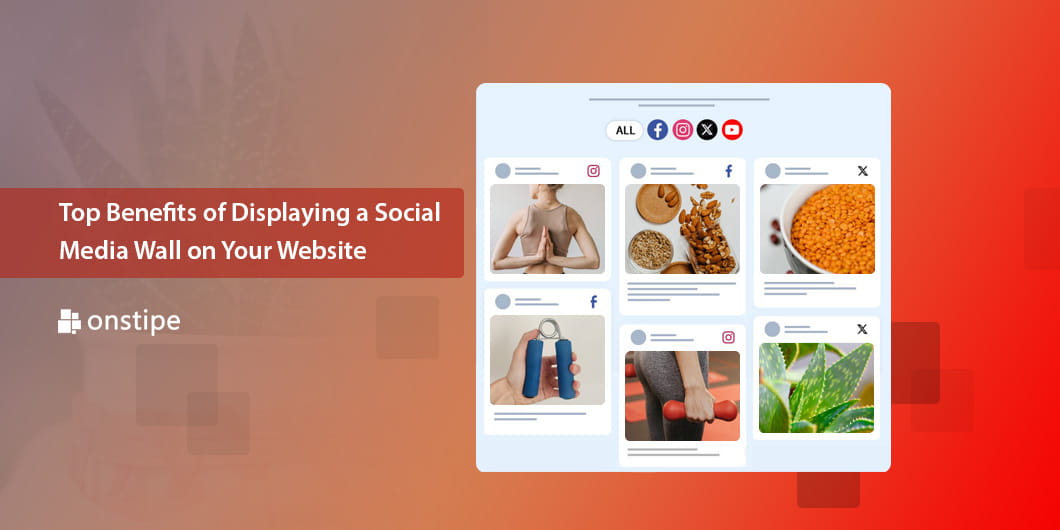
A social media wall is a digital display that aggregates posts, photos, videos, and mentions from multiple social platforms and presents them in one visual feed. These walls can be embedded on websites, displayed at events, or integrated into marketing campaigns.
Social media walls strengthen brand credibility in several important ways.
Showcasing Real Customer Experiences
One of the strongest forms of social proof comes from real customers sharing their experiences. Social media walls allow brands to display authentic posts from people who have used their products or services.
For example, a clothing brand might display Instagram posts from customers wearing their outfits. These real-life photos demonstrate how the products look outside of professional marketing campaigns.
When potential buyers see genuine experiences, they are more likely to trust the brand.
Demonstrating Popularity and Engagement
A social media wall filled with posts, comments, and reactions creates the impression that a brand has an active and engaged community.
This visible engagement reassures potential customers that others are interacting with the brand and enjoying its offerings.
The more people participate in conversations about a brand, the stronger the perception of credibility and popularity.
Encouraging Community Participation
Social media walls also motivate customers to join the conversation. When people see that their posts might be featured on a brand’s website or event screen, they are more likely to share their own experiences.
This creates a cycle of engagement where customers contribute content that strengthens the brand’s reputation.
Examples from eCommerce and Events
Social media walls are widely used across industries, but they are especially effective in eCommerce and event marketing.
eCommerce Brands
Online stores often rely on visual content and customer reviews to build trust. Social media walls allow eCommerce businesses to showcase real customer photos and testimonials directly on their websites.
For example, a beauty brand might display customer selfies using their skincare products. A furniture company might show photos of customers’ homes featuring their products.
These authentic images help potential buyers visualize how the product fits into everyday life. This can significantly influence purchasing decisions.
Many eCommerce brands place social media walls on their homepage or product pages to reinforce credibility at the moment when customers are considering a purchase.
Event Marketing
Social media walls are also extremely popular in the event industry.
Event organizers encourage attendees to share photos and posts using a specific hashtag. These posts are then collected and displayed on screens throughout the venue or on the event website.
This approach creates excitement and encourages more attendees to participate.
For example, conferences, music festivals, and brand launches often display live social feeds that show attendee reactions in real time.
Seeing their posts appear on a large screen or event page makes participants feel recognized and connected to the event community.
Using Onstipe to Showcase Reviews and Social Posts
While social media walls are highly effective, managing content from multiple platforms can be challenging without the right tools. Platforms like Onstipe simplify this process by collecting, organizing, and displaying social media content in a single feed.
Onstipe is a social media aggregation platform designed to help businesses leverage social proof by showcasing user-generated content from various networks.
Collecting Social Content
With Onstipe, businesses can collect content from platforms such as Instagram, Facebook, Twitter/X, and others.
Posts can be gathered using:
- Brand hashtags
- Mentions of the brand
- Social media handles
- Specific keywords
This allows businesses to capture conversations and posts that are relevant to their brand.
Displaying Social Media Walls
Once the content is collected, Onstipe allows businesses to display it as a social media wall on websites, digital screens, or event displays.
These feeds automatically update when new posts appear, ensuring the content remains fresh and engaging.
Moderation and Content Control
Onstipe also includes moderation tools that allow brands to review and approve posts before they appear publicly.
This ensures that only appropriate and relevant content is displayed.
Customization Options
Brands can customize the layout, colors, and design of their social media wall to match their website or event branding. This helps create a seamless visual experience.
Impact on Conversions
One of the most significant benefits of social proof marketing is its ability to increase conversions.
When customers see real people discussing and recommending a product, they feel more confident about making a purchase.
Reducing Purchase Anxiety
Online shoppers often hesitate before completing a purchase, especially if they are unfamiliar with the brand.
Seeing authentic posts and reviews from other customers reduces uncertainty and reassures buyers that they are making a good decision.
Providing Visual Confirmation
Photos and videos from customers show how products look and perform in real-life situations. This visual proof helps potential buyers understand what they can expect.
For example, a customer photo showing a dress being worn in everyday life can be more convincing than a studio product image.
Influencing Decision-Making
Many consumers check reviews and social media before buying a product. By displaying this content directly on a website, brands ensure that visitors see positive social proof during the decision-making process.
This increases the likelihood that visitors will convert into customers.
Strengthening Brand Trust
Beyond conversions, social media walls also help brands build long-term trust.
When companies openly display real customer experiences, it demonstrates transparency and confidence in their products or services.
Customers appreciate brands that highlight authentic feedback rather than only promotional messages.
Over time, this transparency strengthens brand reputation and fosters customer loyalty.
Conclusion
Social proof marketing has become a vital strategy in the modern digital environment. Consumers increasingly rely on the opinions and experiences of others when deciding which brands to trust.
Social media walls provide a powerful way to showcase this social proof by displaying real posts, reviews, and conversations from customers.
By aggregating content from platforms like Instagram, Facebook, and Twitter/X, businesses can highlight authentic user experiences and demonstrate community engagement.
Tools like Onstipe make it easy to collect, curate, and display social content through customizable social media walls.
Whether used by eCommerce brands to showcase customer photos or by event organizers to highlight attendee interactions, social media walls help transform social conversations into visible proof of credibility.
Ultimately, this strategy not only strengthens brand trust but also increases engagement and conversions, making it an essential tool for businesses that want to stand out in today’s competitive digital landscape.