In today’s digital landscape, businesses are constantly searching for new ways to capture attention, build trust, and keep visitors engaged on their websites. With millions of brands competing online, static web pages are often not enough to hold user interest. Visitors expect dynamic, authentic, and interactive content that reflects real experiences and conversations.
One of the most effective ways to achieve this is by displaying a social media wall on your website. A social media wall aggregates content from different social media platforms and displays it in a visually engaging format directly on a website. This approach not only enhances user experience but also boosts credibility, improves engagement, and supports marketing goals.
In this article, we will explore what a social wall is, the platforms it supports, its SEO and dwell-time benefits, how tools like Onstipe simplify the process of embedding social feeds, and real-world business use cases that demonstrate its effectiveness.
What Is a Social Media Wall?
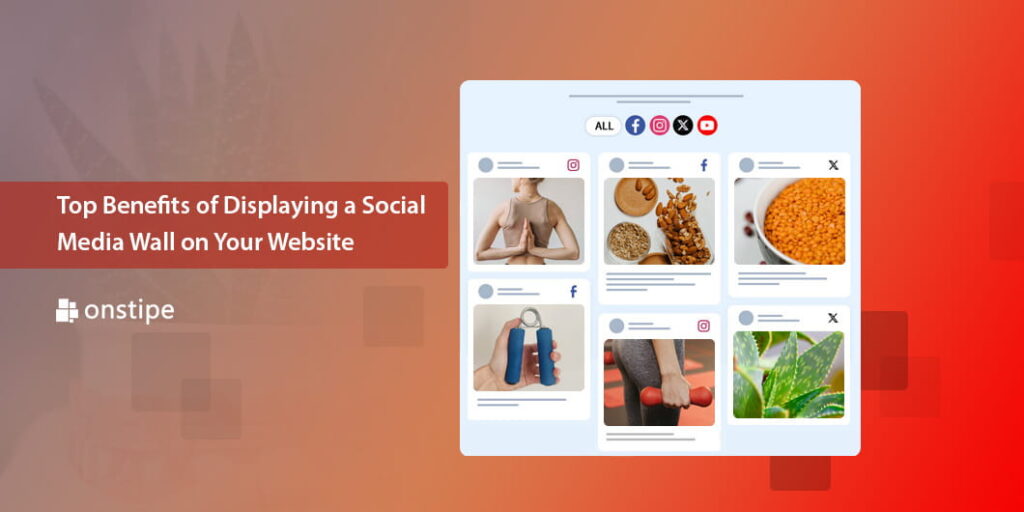
A social media wall, often called a social wall, is a digital display that collects and showcases social media content from multiple platforms in one unified feed. The content typically includes posts, images, videos, hashtags, mentions, and user-generated content.
Instead of manually posting social media updates on a website, a social wall automatically pulls relevant content using hashtags, handles, or keywords and displays it in a curated layout.
For example, a company running a marketing campaign with a specific hashtag can collect all posts related to that hashtag and display them on their website through a social wall. This creates a constantly updated stream of real-time content.
A social wall transforms a website from a static information hub into a live social experience, where visitors can see authentic interactions and community engagement around a brand.
Platforms Supported by Social Media Walls
One of the key advantages of a social media wall is its ability to aggregate content from multiple social platforms simultaneously. This allows businesses to showcase their full social presence in one place.
Most social media wall tools support major platforms, including:
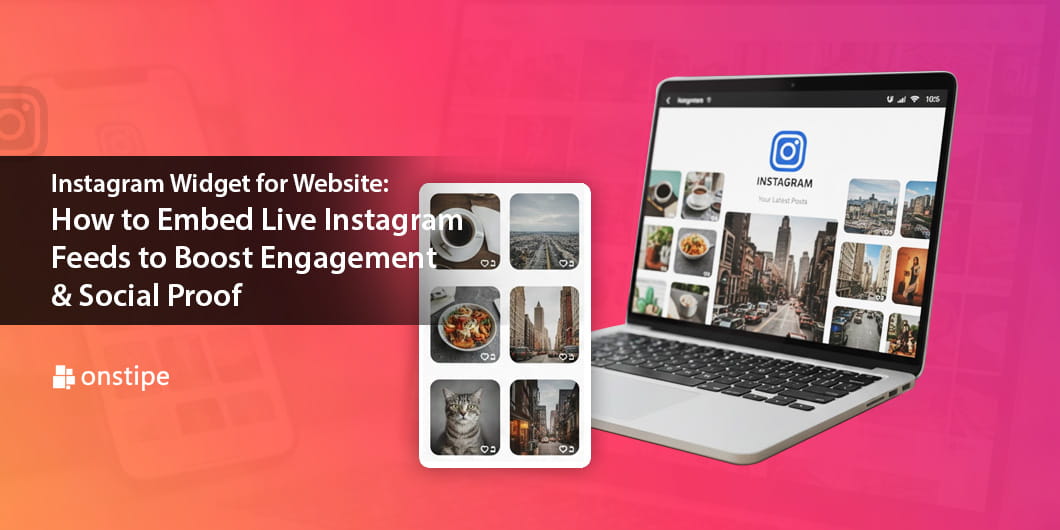
Instagram is one of the most popular platforms for visual storytelling. Businesses often use social walls to display Instagram posts, reels, and hashtag campaigns. This is especially valuable for industries like fashion, travel, food, and lifestyle where visual content drives engagement.
Twitter / X
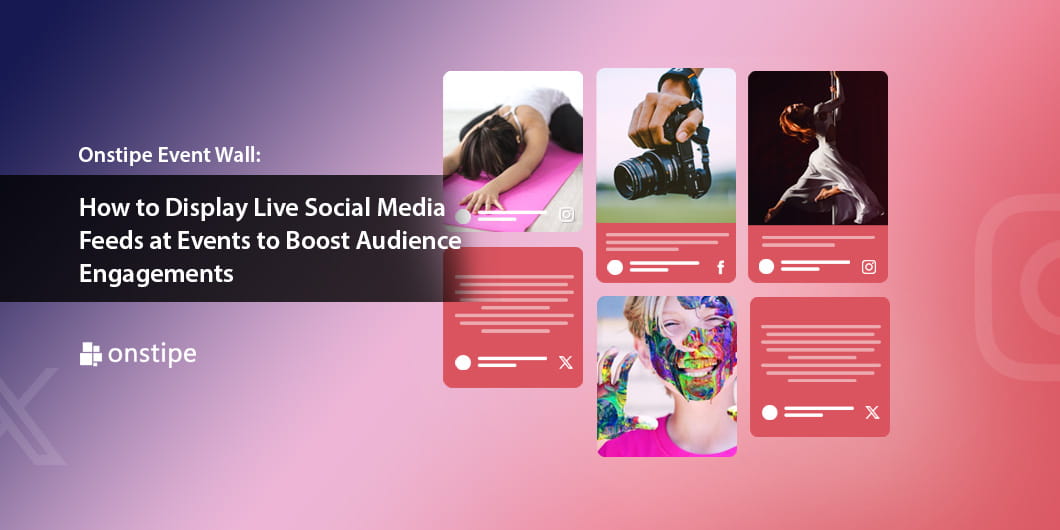
Content from Twitter (now known as X) can also be integrated into a social wall. Tweets related to specific hashtags, brand mentions, or campaign keywords can be displayed in real time. This is particularly useful for events, product launches, and live discussions.
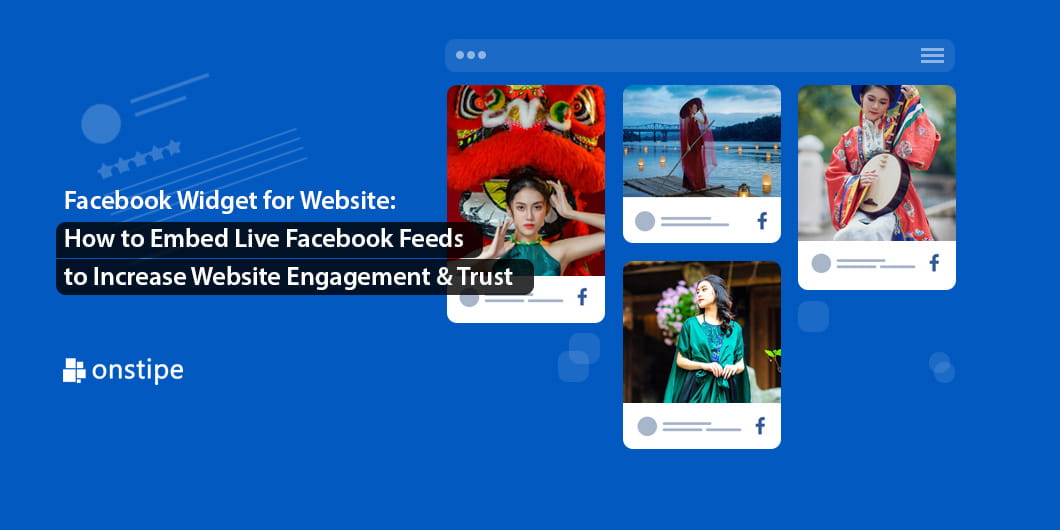
Facebook feeds can be integrated to showcase posts, updates, reviews, and user interactions from business pages. Displaying Facebook content helps reinforce brand authenticity and social proof.
YouTube
Some social media walls also support YouTube videos, allowing brands to feature tutorials, product demos, or promotional content directly within the feed.
For B2B businesses, LinkedIn posts can also be aggregated. This helps companies highlight thought leadership, industry discussions, and professional content.
By integrating multiple platforms into one visual stream, businesses create a multi-channel experience that keeps website visitors engaged.
Increasing Website Engagement
One of the biggest challenges websites face is keeping visitors engaged long enough to explore products or services. Static pages often fail to maintain user attention.
A social media wall solves this problem by introducing dynamic, constantly updating content.
Visitors browsing a website may pause to view photos shared by customers, read tweets about a product, or watch a video review embedded within the feed. This interactive experience encourages users to spend more time on the site.
The more engaging the content is, the more likely visitors are to explore deeper into the website.
SEO and Dwell-Time Benefits
Displaying a social media wall on your website can also provide significant search engine optimization (SEO) benefits.
Increased Dwell Time
Dwell time refers to the amount of time a visitor spends on a webpage before returning to search results. Search engines often interpret longer dwell times as a sign that the content is valuable and engaging.
A social media wall naturally increases dwell time because visitors interact with multiple posts, images, and videos within the feed.
For example, a visitor may start by viewing one Instagram photo but then continue scrolling through several other posts. This extended interaction signals to search engines that the page provides useful content.
Fresh and Dynamic Content
Search engines favor websites that update their content regularly. A social wall continuously pulls new posts from social platforms, meaning the content on your website updates automatically.
This dynamic content keeps your website fresh without requiring constant manual updates.
Social Signals and Brand Visibility
Although social signals are not direct ranking factors, they contribute to overall online visibility. When visitors see social posts embedded on a website, they may click through to social profiles, follow accounts, or share content.
This increases overall brand engagement across digital channels.
Building Trust Through User-Generated Content
Consumers today trust real customer experiences more than traditional advertising.
A social media wall allows businesses to highlight user-generated content (UGC), such as customer photos, testimonials, and reviews.
When visitors see real people sharing positive experiences with a brand, it builds credibility and authenticity. This type of content acts as powerful social proof.
For example, an e-commerce website might display Instagram posts from customers using their products. This shows potential buyers how the product looks in real-life situations, which can strongly influence purchasing decisions.
How Onstipe Helps Embed Social Media Feeds Easily
Embedding a social media wall on a website might sound technically complex, but platforms like Onstipe simplify the entire process.
Onstipe is a social media aggregation tool that collects content from multiple platforms and allows businesses to display it seamlessly on websites, event screens, and digital displays.
Simple Feed Aggregation
Onstipe allows users to gather content using hashtags, mentions, page handles, or keywords. Once the feed is created, it automatically updates as new posts appear on social media.
Easy Website Integration
One of the biggest advantages of Onstipe is its easy embedding process. After creating a feed, users receive an embed code that can be added directly to a website.
This makes integration simple even for businesses without advanced technical knowledge.
Customizable Display Layouts
Onstipe offers customizable layouts so businesses can match the social wall with their website’s design. Brands can adjust colors, themes, grid styles, and display formats.
Content Moderation
Another important feature is content moderation. Businesses can filter posts, approve content manually, and ensure that only relevant or appropriate posts appear on the website.
Real-Time Updates
Once embedded, the social wall automatically updates with new posts. This keeps the website content fresh and engaging without requiring constant manual updates.
Real Business Use Cases
Many businesses across different industries are already using social media walls to improve website performance and customer engagement.
E-commerce Websites
Online stores often display social walls featuring customers using their products. For example, fashion brands frequently show Instagram posts of customers wearing their clothing.
This helps potential buyers visualize how products look in real-life scenarios and builds trust.
Event Websites
Event organizers use social walls to display posts from attendees using event hashtags. This creates excitement before, during, and after the event.
Visitors to the event website can see real-time reactions, photos, and discussions related to the event.
Restaurants and Hospitality
Restaurants and hotels often showcase customer photos from Instagram. Seeing real guests enjoying meals or hotel stays creates a more authentic impression for potential visitors.
Corporate and B2B Companies
Professional brands use social walls to highlight LinkedIn posts, industry discussions, and company updates. This reinforces credibility and thought leadership.
Educational Institutions
Universities and schools use social media walls to showcase campus life, student activities, and community engagement. This helps attract prospective students by giving them a real glimpse of the institution’s culture.
Strengthening Brand Community
Another powerful benefit of a social media wall is its ability to foster a sense of community.
When customers see their posts featured on a company’s website, they feel recognized and valued. This encourages them to engage more actively with the brand.
Over time, this interaction builds stronger relationships between businesses and their audiences.
A social wall essentially turns customers into brand advocates, helping spread awareness through their own social networks.
Enhancing Visual Appeal of Websites
Modern websites rely heavily on visual elements to capture attention. A social media wall adds a vibrant and visually appealing section to a webpage.
The combination of images, videos, captions, and interactions creates a dynamic display that stands out compared to traditional text-heavy pages.
This enhanced visual experience can make a website feel more modern, engaging, and interactive.
Conclusion
A social media wall is more than just a collection of social media posts. It is a powerful digital tool that brings together conversations, customer experiences, and brand storytelling into a single engaging display.
By aggregating content from platforms like Instagram, Twitter/X, Facebook, and others, businesses can create a dynamic social hub directly on their websites.
The benefits extend beyond aesthetics. Social media walls improve engagement, increase dwell time, enhance SEO performance, and build trust through user-generated content.
Tools like Onstipe make the process simple by allowing businesses to collect, curate, and embed social media feeds without technical complexity.
Whether used by e-commerce brands, event organizers, restaurants, or corporate websites, social media walls help transform passive website visitors into active participants in a brand’s online community.
In an era where authenticity and engagement drive digital success, displaying a social media wall on your website can be a powerful strategy to strengthen brand presence and create meaningful connections with your audience.