Events are no longer limited to what happens on stage. Today, attendees are constantly taking photos, recording videos, sharing opinions, tagging brands, and posting updates while an event is happening. Every one of those posts can become part of the event experience.
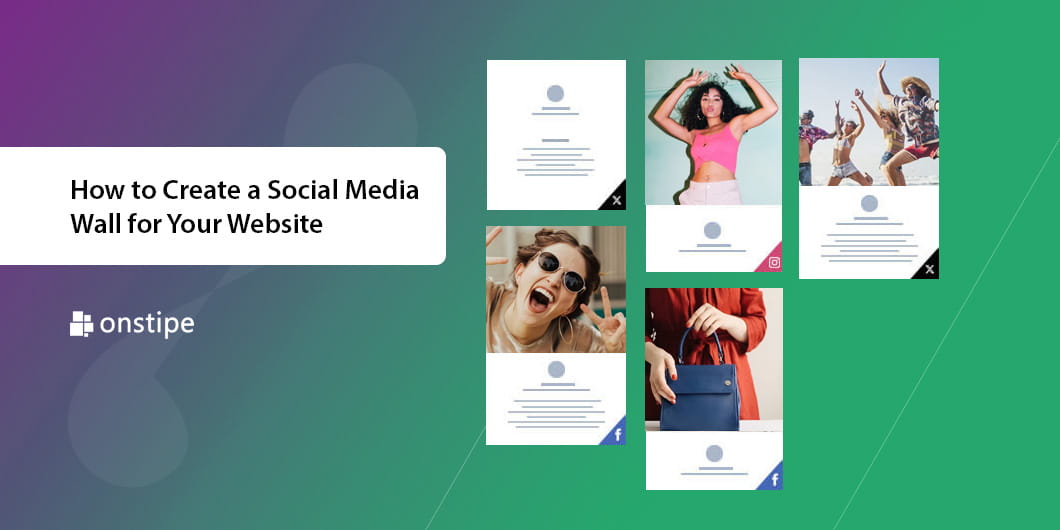
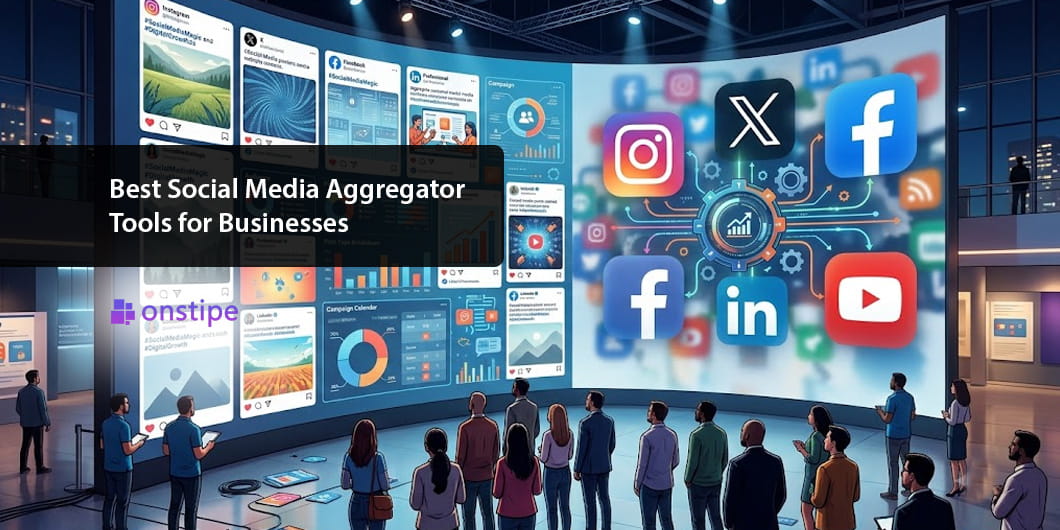
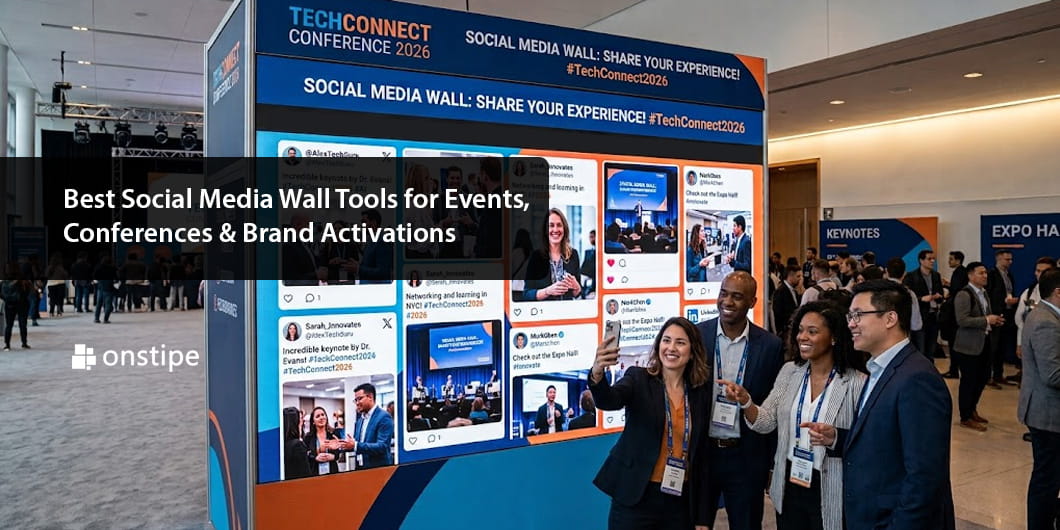
A social media wall collects relevant posts from social platforms and displays them in one place, often on large screens at the venue. When attendees see their own posts appear on screen, something interesting happens: they stop being passive members of the audience and become active participants.
From conferences and trade shows to weddings, concerts, product launches, and college events, an event social wall can turn online conversations into a visible part of the occasion.
But how exactly does it boost engagement? Let’s take a closer look.
What Is a Social Media Wall for Events?
A social media wall is a live display that collect social media content and presents it in a special location.
Depending on the tool, an event organizer can collect posts from platforms such as Instagram, Facebook, X, TikTok, YouTube, and others using hashtags, profiles, keywords, or mentions.
For example, an event organizer could promote a hashtag like #MyBrandConference2026. Attendees use the hashtag when sharing photos and comments. Selected posts can then appear on screens throughout the venue.
This creates an event hashtag wall that connects what is happening online with what is happening in the room.
1. It Turns Attendees Into Participants
One of the biggest challenges at any event is keeping people engaged. People may listen to a speaker, but that doesn’t necessarily mean they’re actively participating. When attendees know their posts could appear on a large screen, they have an incentive to share photos, reactions, quotes, and experiences.
And when someone’s post appears, they are likely to point it out to friends or colleagues. That small moment of recognition can create a surprisingly strong sense of involvement.
Instead of simply watching the event, attendees become part of its visual story.
2. It Creates Real-Time Social Proof
Traditional event marketing often involves carefully selected photographs and promotional messages. A live social media wall shows something different: real people experiencing the event.
Imagine walking into a conference and seeing dozens of attendee posts appearing on a screen. You might see a photograph of a keynote speaker, a funny behind-the-scenes moment, or a quote someone found particularly interesting. This content provides real-time social proof.
It shows prospective attendees, sponsors, speakers, and guests that people are actively participating and enjoying the experience.
3. It Encourages More Social Sharing
People tend to share experiences that feel exciting or worth remembering. A social wall takes that a step further by making those posts visible to everyone in the venue.
This creates a simple feedback loop:
Attend → Post → Get featured → Feel recognized → Share more.
As more people participate, the event’s online presence can grow organically.
That’s one reason an event social wall can be useful beyond the venue itself. Attendees who follow the event online may see the conversation and become interested in future editions.
4. It Makes Event Hashtags More Useful
Event hashtags can sometimes feel like an afterthought. An organizer announces a hashtag, puts it on a few posters, and hopes attendees remember to use it. An event hashtag wall gives the content a visible purpose.
When attendees see posts appearing under the event’s hashtag, they immediately understand that it is being monitored and used as part of the event.
For organizers, it also makes it easier to bring conversations from multiple social platforms into one central display.
5. It Adds Energy Between Sessions
Not every moment at an event involves a keynote or presentation.
There are breaks, transitions, networking sessions, lunch periods, and moments when attendees are simply waiting for the next activity.
These periods can feel quiet.
A live social media feed helps keep the atmosphere active even when nothing is happening on stage.
Attendees can glance at the screen and see new posts, photographs, comments, or event-related content. It gives people something to talk about and can even become a conversation starter.
For example, someone might see a colleague’s post on the screen and walk over to discuss it.
That’s engagement happening naturally.
6. It Gives Sponsors More Visibility
Sponsors are an important part of many conferences, exhibitions, and corporate events.
A social media wall can give sponsors additional opportunities for visibility without making the event feel like one long advertisement.
For example, an organizer might display branded social content, sponsor-related posts, or campaign hashtags as part of the overall social feed.
The result can be a more interactive sponsorship experience rather than simply placing a logo on a banner.
7. It Creates a More Memorable Experience
People remember experiences more strongly when they take part in them. Seeing your photo on a giant screen is a small moment, but it can make an event feel personal.
Those moments can also encourage attendees to photograph the social wall itself and share it online, creating another layer of event-related content.
A well-designed social wall therefore becomes part of the event rather than just another screen.
8. It Gives Organizers Valuable Content
An event generates a huge amount of content. Speakers are photographed. Attendees share opinions. Exhibitors post booth photos. Sponsors publish updates. Behind-the-scenes moments appear throughout the day. A social wall can help organizers discover and showcase some of this content in real time.
After the event, these posts can also help organizers understand which moments generated the most attention and enthusiasm.
How to Create an Effective Event Social Wall
Simply putting social posts on a screen isn’t enough.
Start by choosing a clear event hashtag and promoting it before the event begins. Include it on registration pages, emails, badges, signage, presentations, and promotional materials.
Next, choose a social media wall platform that supports the networks your audience uses.
Moderation is also important. Automated feeds can collect irrelevant or inappropriate content, so organizers should have a way to filter posts before displaying them publicly.
Finally, design the wall to match the event’s branding. Use readable fonts, appropriate colors, high-quality visuals, and a layout that works well on large screens.
Most importantly, keep the content moving. A dynamic live social media feed should feel alive rather than static.
Final Thoughts
It’s about creating moments people want to participate in, talk about, and remember. A social media wall for events can help make that happen by bringing online conversations into the physical venue. An event social wall gives attendees a reason to share, while an event hashtag wall turns scattered social posts into a collective event story.
When combined with thoughtful moderation, attractive design, and a clear social strategy, a live social media feed can transform a screen from simple event decoration into an interactive part of the experience.
The most powerful part is simple: attendees don’t just watch the event unfold—they can actually see themselves becoming part of it.